

Industrial Parts
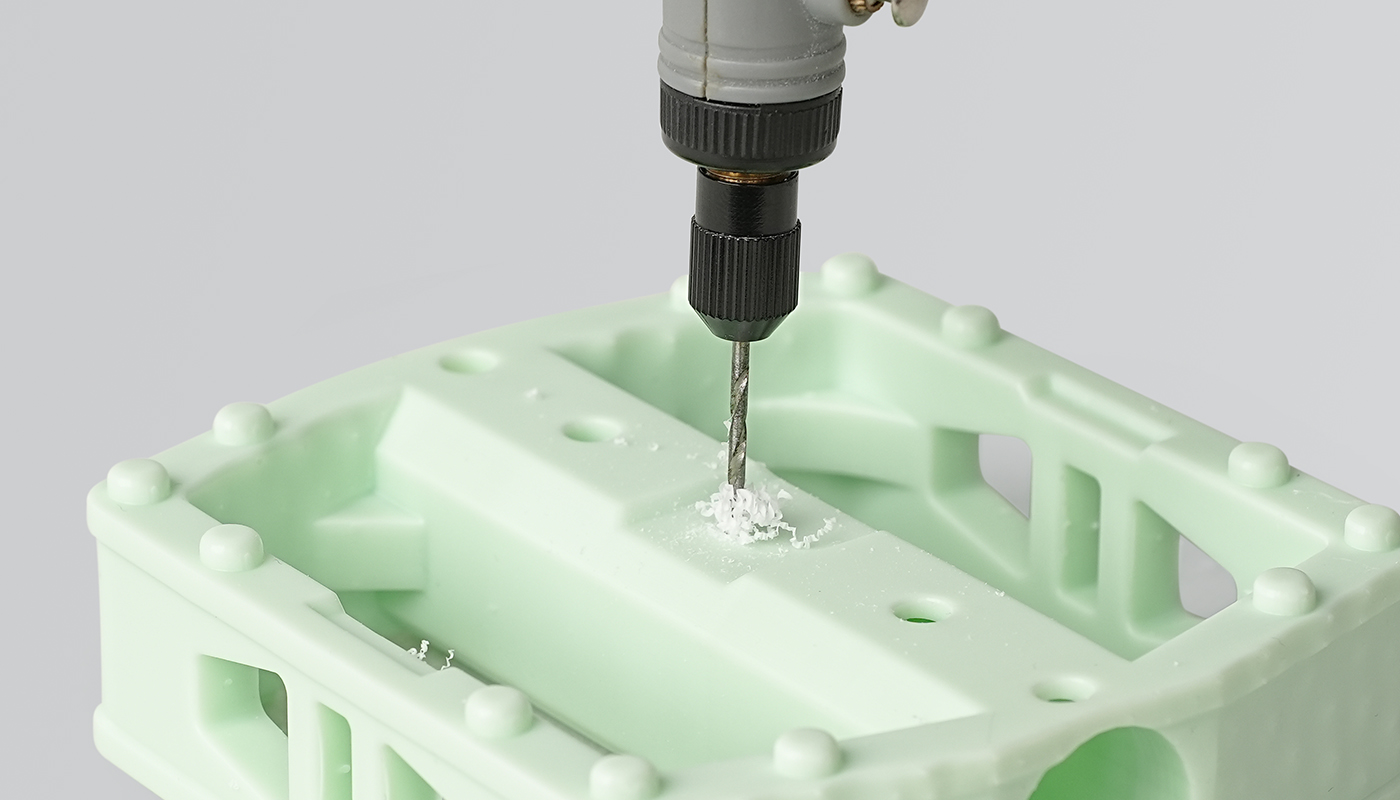
What are Industrial Parts?
This section focuses on the reliability of 3D printed parts in production support, assembly validation, and short-term functional testing. The key questions are: "Can it be used?", "Are the dimensions accurate?", and "Is it strong enough?"
What can Industrial Parts be used for?
1. Jigs, fixtures, and inspection gauges
2. Housings, flow path visualization, pump and valve validation
3. Replacement parts on demand, small-batch functional components
Key considerations for Industrial Parts:
1. Dimensional stability and structural strength
2. Assembly efficiency and accurate reproduction of holes, screw bosses, and inserts
3. Material performance regarding temperature resistance, impact resistance, and rigidity/toughness
Why is 3D printing suitable for Industrial Parts?
1. Rapid iteration of jigs and fixtures, reducing machining or mold opening costs
2. Allows embedding of metal parts (e.g., screws, bushings) for realistic assembly testing
3. Provides short-term validation capabilities, adapting to trial production schedules
SUNLU resin types suitable for Industrial Parts:
1. Engineering Resins: Dimensionally stable with high hardness
2. Toughness Resins: Impact and fracture resistant
3. High Clear Resins: Enables visualization of internal flow paths
Appearance Models
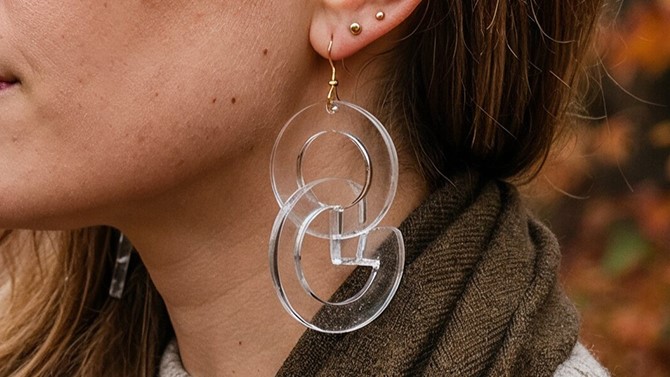
What is an Appearance Model?
An appearance model prioritizes "good looks." Its value lies not in load-bearing or function, but in visual effect, detail reproduction, and overall texture. Simply put: "Looking the part" and "being refined" is more important than "being sturdy."
What can Appearance Models be used for?
1. Product enclosures, ID prototypes, CMF samples
2. Display models, high-detail models
3. Consumer electronics, cultural and creative products, architectural scale models, figures and collectibles
Key considerations for Appearance Models:
1. Surface smoothness and layer line control
2. Detail reproduction capability (e.g., textures, text, fine features)
3. Color and texture presentation
4. Ease of post-processing (sanding, painting, coating)
Why is 3D printing suitable for Appearance Models?
1. Produces a physical model in hours, perfect for design reviews
2. Low cost, supports rapid adjustments across multiple versions
3. Customizable in size, color, and assembly methods
4. High design freedom for complex shapes without the need for molds
SUNLU resin types suitable for Appearance Models:
1. Standard Resins: Smooth surface, fine details, stable color
2. High-Precision Resins: Suitable for very fine structures
3. High Clear Resins: Can be used for transparent parts or light pipes
4. Color Resins: Enhance. visual effects
Functional Parts
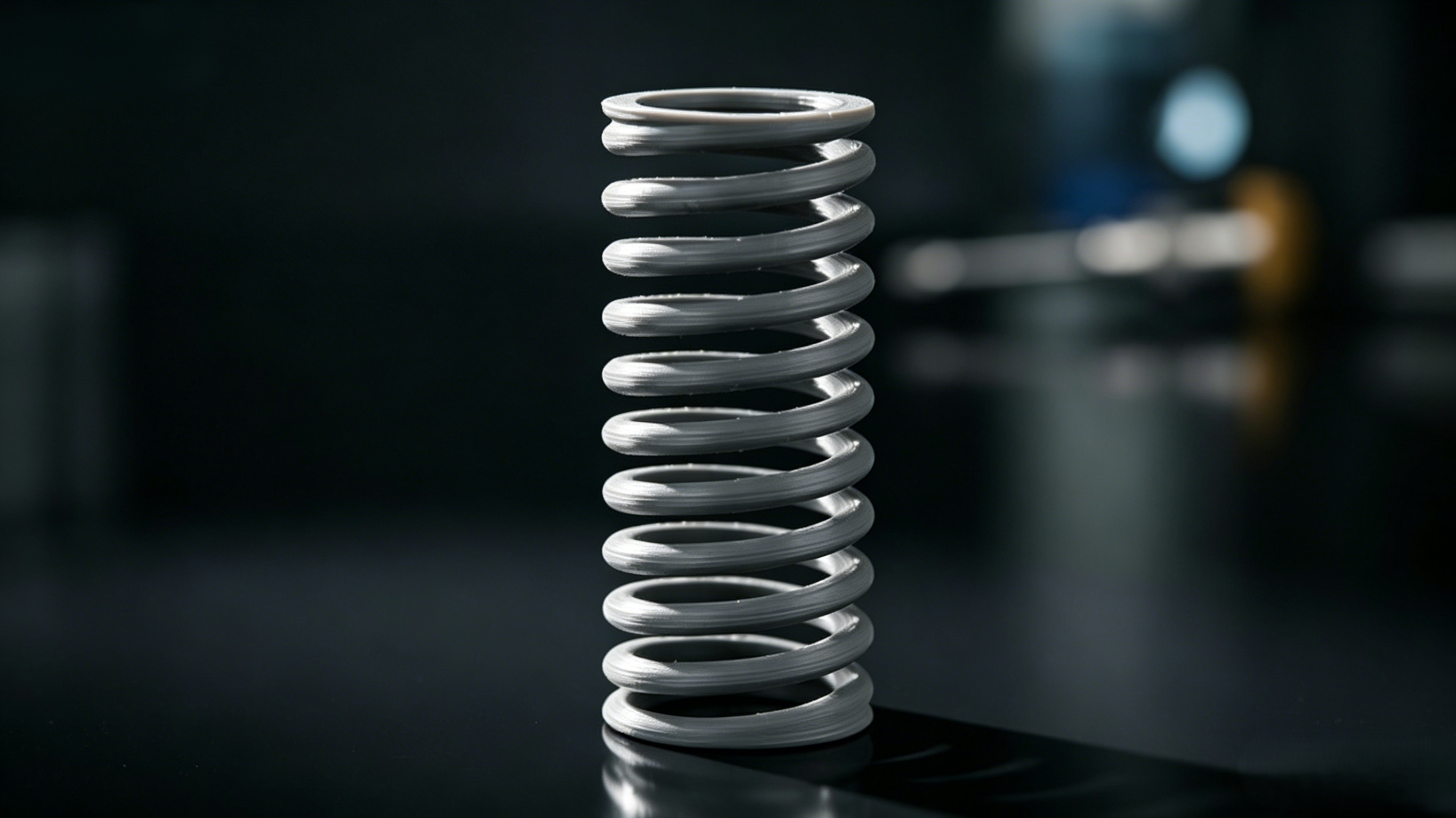
What are Functional Parts?
This section centers on "assemblability, testability, and short-term validation," emphasizing the mechanical performance and assembly behavior of parts in real-world use.
What can Functional Parts be used for?
1. Clips, hinges, screw bosses
2. Small-batch functional replacement parts
3. Process validation samples, short-term use structural components
Key considerations for Functional Parts:
1. Strength, toughness, temperature resistance, or flexibility performance
2. Assembly cycle count and failure points
3. Compatibility with metal parts (screws, pins)
Why is 3D printing suitable for Functional Parts?
1. Validates snap-fit force and assembly clearance before mold creation
2. Supports complex geometries
3. Can temporarily replace aging parts or bridge trial production phases
4. Wide range of materials available, adaptable to different working conditions
SUNLU resin types suitable for Functional Parts:
1. Toughness Resins: Impact and fracture resistant
2. High Temperature Plus Resins: Suitable for high-temperature environments
3. Flexible Resins: Ideal for seals, cushioning, and rigid-flexible combination validation
4. High Clear Resins: For light-guiding functions or transparent covers